The plastic problem is a global crisis that affects our environment, wildlife, and even human health. Every year, millions of tons of plastic waste end up in our oceans, rivers, and landfills. This pollution is not just an eyesore; it poses significant threats to marine life, ecosystems, and the food chain. As plastic breaks down into smaller particles, known as microplastics, these tiny pieces can be ingested by fish and other creatures, eventually making their way back to our dinner plates.
One of the biggest challenges with plastic is its durability. Unlike organic materials that decompose naturally, plastic can take hundreds of years to break down. This means that the plastic products we use today can continue to harm the environment for generations to come. Furthermore, the production of plastic releases harmful chemicals into the air and water, contributing to pollution and climate change.
Despite these challenges, there is hope. Many companies and individuals are embracing biodegradable alternatives to traditional plastic. These materials are designed to break down more quickly and safely, reducing the amount of waste that ends up in our planet's ecosystems. By choosing biodegradable solutions, we can take meaningful steps toward solving the plastic crisis and creating a healthier world for ourselves and future generations.
In addition to seeking out biodegradable options, it’s important for us all to reduce plastic usage in our daily lives. Simple changes such as using reusable bags, bottles, and containers can significantly lessen our plastic footprint. By making conscious choices in our consumption habits, we can help combat this pressing issue and inspire others to follow suit.
Benefits of Biodegradable Products
Biodegradable products offer a variety of benefits that make them an excellent alternative to traditional plastic. One of the most significant advantages is their positive impact on the environment. Unlike plastic, which can take centuries to decompose, biodegradable materials break down naturally over time. This means less waste accumulates in landfills and less pollution in our ecosystems, fostering a healthier planet for future generations.
Another important benefit is the reduction of harmful chemicals released into the environment. Many plastics contain toxins that can leach into soil and water, posing risks to wildlife and human health. Biodegradable products, on the other hand, are typically made from natural sources and break down without leaving behind these harmful substances. This contributes to cleaner air and water, supporting overall ecological balance.
Switching to biodegradable products can also boost sustainability efforts. By using materials that return to the earth, we encourage a circular economy where resources are reused rather than discarded. This shift not only preserves natural resources but also promotes innovation in product design and manufacturing. Companies are increasingly investing in sustainable practices, creating a market for environmentally friendly alternatives that support green businesses and local economies.
Lastly, biodegradable products often foster consumer awareness about environmental issues. Choosing biodegradable options can lead to discussions about sustainability, inspiring more people to consider their environmental footprint and the choices they make. When consumers demand greener products, it signals to manufacturers that there is a need for change, encouraging more companies to explore sustainable innovations that benefit us all.
Easy Swaps for Your Lifestyle
Making the switch from plastic to biodegradable solutions doesn’t have to be overwhelming. In fact, there are many easy swaps that can seamlessly fit into your daily routine. With a few small changes, you can reduce your environmental impact without sacrificing convenience.
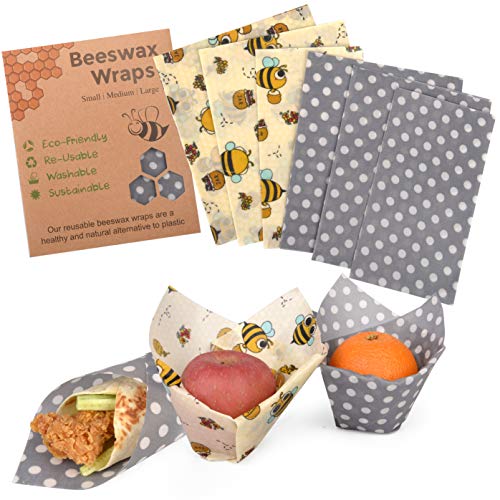
First, consider replacing plastic water bottles with a reusable stainless steel or glass bottle. Not only do these bottles keep your beverages cold or hot for longer, but they also last for years. To make things even easier, you can fill them up at water stations or your own tap. Another simple swap is to choose biodegradable food wraps instead of plastic cling wrap. These wraps are made from organic materials and can be composted after use, making them a sustainable alternative.
When it comes to shopping, opt for biodegradable bags instead of plastic ones. Many stores now offer bags made from corn starch or paper that break down naturally. You can also bring your own fabric tote bags to reduce waste even further. Additionally, swap out plastic straws for those made of bamboo, metal, or even pasta. These options can be reused multiple times and are great conversation starters!
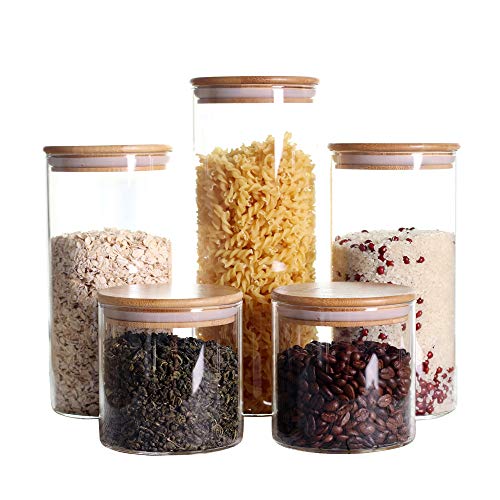
Lastly, think about your kitchen supplies. Instead of using plastic utensils, try biodegradable cutlery made from materials like wood or plant fibers. They are just as convenient for on-the-go meals but won’t linger in landfills for centuries. By incorporating these easy swaps into your lifestyle, you’ll be helping to create a cleaner, greener planet.
Taking Action for a Greener Future
Another simple change is swapping out plastic straws for biodegradable alternatives made from materials like bamboo or paper. Many cafes and restaurants are increasingly offering these eco-friendly options. By choosing biodegradable items, we can significantly cut down the plastic waste in our oceans and landfills, creating a cleaner environment for future generations.
Participating in community clean-up events is a fantastic way to take action as well. These events provide a meaningful opportunity to unite with others in your community who are passionate about preserving the Earth. By working together, we can remove plastic waste from our parks, rivers, and beaches, and inspire others to join our efforts for a greener future.
Lastly, consider supporting companies that prioritize sustainability by choosing biodegradable products whenever possible. From food packaging to personal care items, many brands are now offering solutions that are friendly to the Earth. Your purchasing choices not only help reduce plastic consumption but also encourage other businesses to follow suit and adopt more sustainable practices.