When it comes to outfitting your kitchen with eco-friendly tools, every item you choose can make a difference. Sustainable kitchen tools not only help reduce your carbon footprint, but they can also enhance your cooking experience. From utensils to storage solutions, there are plenty of options that are both functional and environmentally friendly.
One great place to start is with utensils made from bamboo or stainless steel. Bamboo utensils are not only renewable but also sturdy and lightweight, making them perfect for stirring and serving. Stainless steel tools, on the other hand, are incredibly durable and can last for years, reducing the need for constant replacements. Choosing these materials over plastic can significantly cut down on waste.
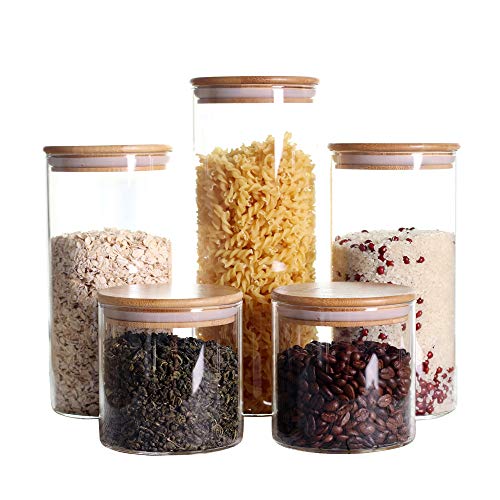
In addition to utensils, consider investing in reusable food storage options. Silicone food storage bags and glass containers are excellent alternatives to single-use plastic bags and containers. They keep your food fresh while being easy to clean and reuse. Many silicone bags can also withstand heat, allowing you to use them for sous vide cooking or steaming vegetables.
Another vital component of a sustainable kitchen is a high-quality cutting board. Look for boards made from reclaimed wood or bamboo, both of which are sustainable materials. Not only do they provide a sturdy surface for chopping, but they also add a touch of natural beauty to your kitchen. Plus, with proper care, these boards can last a lifetime.
Finally, don’t forget about composting tools. A compost bin can help you turn kitchen scraps into nutrient-rich soil for your garden. Choose a stylish countertop bin made from stainless steel or a compost container with a carbon filter to minimize odors. Having an easy way to compost not only reduces waste but also supports a more sustainable lifestyle.
Eco-Friendly Cookware Materials to Consider
One popular option is stainless steel. This durable material is recyclable and does not leach harmful chemicals into food. It's perfect for various cooking methods, from sautéing to simmering. Many stainless steel pots and pans offer excellent heat distribution, making them a reliable choice for both novice and experienced chefs. Make sure to look for high-quality, food-grade stainless steel to enjoy its full benefits.
Ceramic cookware is another excellent eco-friendly alternative. Often made with natural materials, ceramic pots and pans can be a healthier option for your kitchen. They are free from chemicals like PFOA and PTFE, which are commonly found in non-stick surfaces. By using ceramic, you can minimize the risk of harmful substances leaching into your food while enjoying easy food release and cleaning.
Cast iron cookware has stood the test of time and is revered for its exceptional heat retention and even cooking. This traditional material is incredibly versatile, working well on the stove and in the oven. With proper care, cast iron can last for generations and even improve with age. Additionally, cast iron is free from synthetic coatings, making it a safe and eco-conscious choice for any eco-friendly cook.
Finally, consider bamboo and other wood utensils. While not cookware in the traditional sense, they are essential tools in eco-friendly cooking. Bamboo is a fast-growing, renewable resource that is lightweight, durable, and naturally antimicrobial. Using bamboo or wooden utensils helps reduce plastic waste and is a great way to protect your cookware's surfaces, ensuring they stay scratch-free and in good condition.
Must-Have Accessories for Green Cooking
When it comes to green cooking, having the right accessories can make all the difference. These must-have tools not only enhance your cooking experience but also help you embrace a more sustainable lifestyle. Let’s explore some essential accessories that will elevate your eco-friendly kitchen.
First on the list is a set of reusable food storage bags. Say goodbye to single-use plastic bags and embrace these washable alternatives. Made from durable materials, they come in various sizes, perfect for storing everything from snacks to leftovers. Not only do they reduce waste, but they also keep your food fresh and organized.
Another key accessory is a high-quality bamboo cutting board. Bamboo is a sustainable material that grows quickly and requires less water than traditional hardwoods. A bamboo cutting board is not only an eco-friendly choice but also gentle on your knives, helping them stay sharp for longer. Plus, its natural beauty adds a touch of elegance to your kitchen.
Don't forget about cast iron cookware! This timeless kitchen staple is incredibly versatile and energy-efficient. When properly cared for, cast iron lasts a lifetime, reducing the need for frequent replacements. Whether you’re sautéing, baking, or frying, cast iron pots and pans distribute heat evenly, providing delicious results in your green cooking ventures.
Lastly, invest in a set of eco-friendly utensils, such as those made from recycled materials or sustainable wood. These utensils are not only better for the environment, but they also add a touch of warmth and style to your kitchen. With the right accessories, you can enjoy cooking while being kind to the planet.
Tips for Reducing Waste in the Kitchen
Reducing waste in the kitchen is not only good for the environment, but it can also save you money and encourage a more sustainable lifestyle. Here are some easy tips to help you minimize waste while cooking delicious meals.
First, consider meal planning as an effective way to avoid food waste. By taking the time to plan your meals for the week, you can ensure that you only buy the ingredients you actually need. This helps prevent overbuying items that may spoil before you have a chance to use them. Additionally, try to make recipes that use similar ingredients, so nothing goes to waste.
Another great way to reduce kitchen waste is by using leftovers creatively. Whip up a delicious stir-fry or soup with yesterday’s dinner leftovers instead of tossing them in the trash. You can also store leftover ingredients or small portions in reusable containers, making it easier to reach for them later and minimizing food spoilage.
Don't forget to get creative with food scraps! Many vegetable peels, stems, and tops can be repurposed in various dishes or even used to create homemade vegetable stock. Composting is another excellent option for food scraps and peels that cannot be salvaged. It not only reduces landfill waste but also enriches your garden with nutritious soil.